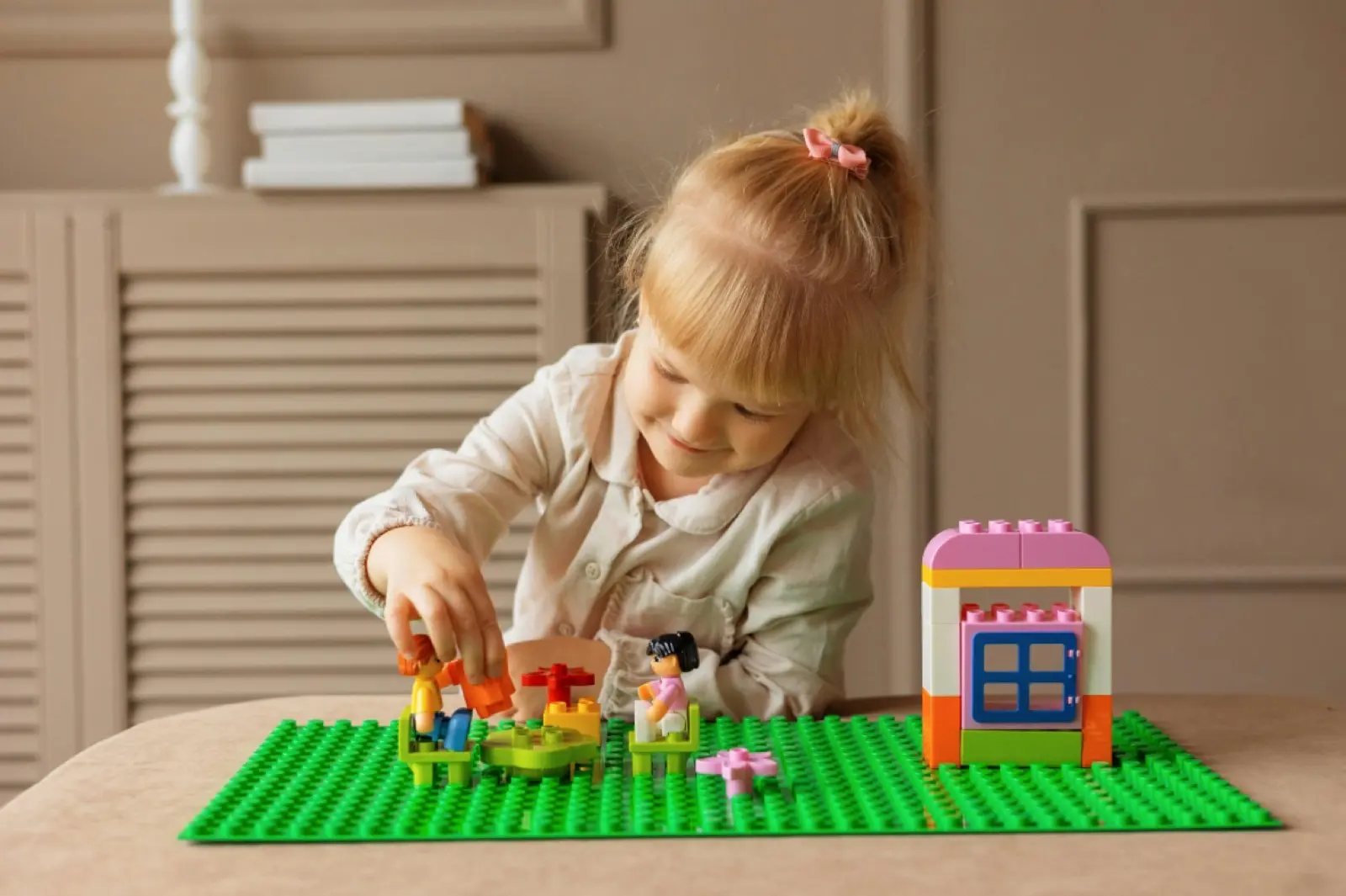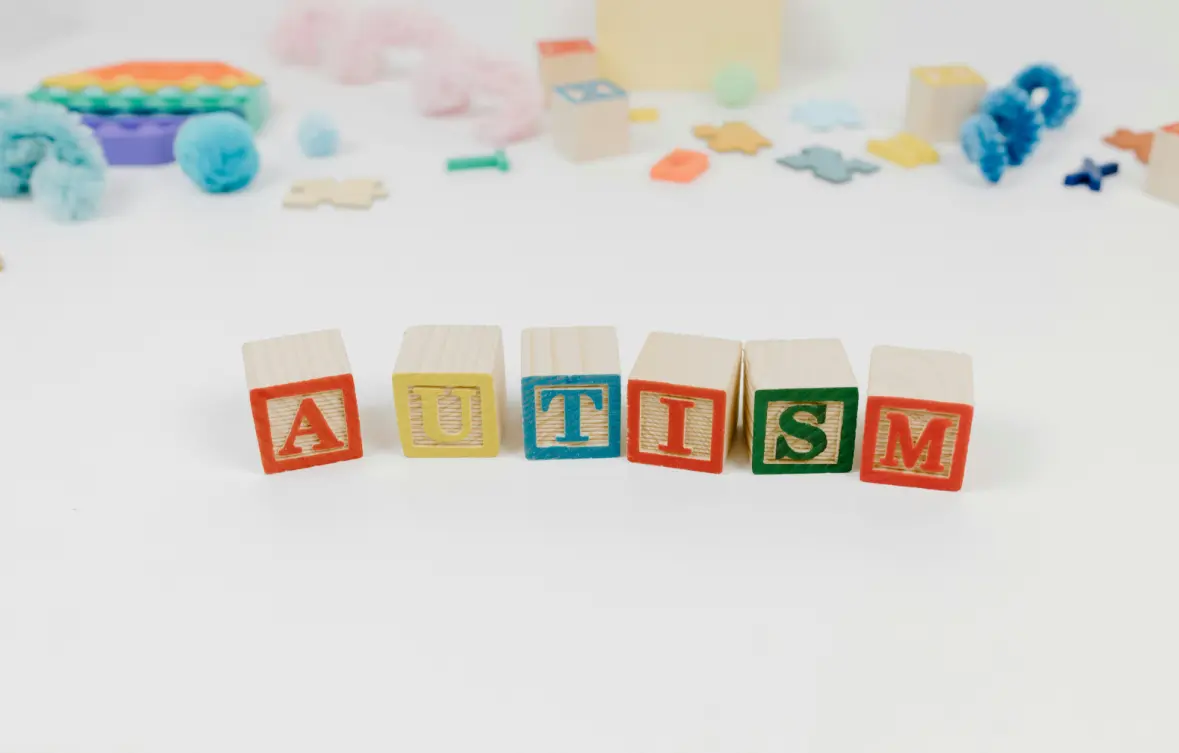
When parents hear the word “autism,” many picture a narrow set of behaviors or challenges. But autism is not a one-size-fits-all diagnosis. It exists on a spectrum, which means it looks different in every child. Some children are highly verbal while others are non-speaking. Some crave routine while others thrive on creativity and exploration. Some children are outwardly expressive while others are quiet and observant.
This wide range of differences is not a flaw. It is a reflection of neurodiversity, the natural variation in how brains develop and process the world. Understanding and celebrating those differences helps create a world where autistic children are seen, valued, and supported for who they are.
What “Spectrum” Really Means
The term “spectrum” refers to the diverse ways autism can show up in individuals. It does not describe a scale from “mild” to “severe.” Instead, it acknowledges that every autistic child has a unique profile of strengths and challenges across areas like communication, social interaction, sensory processing, and behavior.
One child may speak fluently but struggle with sensory overload. Another may be non-speaking but communicate through a device or gestures. One child may prefer predictable routines while another thrives with more flexibility. These are not better or worse versions of autism. They are different ways of experiencing the world.
Common Myths and Misunderstandings
There are many outdated beliefs about autism that continue to cause confusion and stigma. Here are a few that often show up:
- Myth:Autistic children don’t want friends.
- Myth:Autism always includes intellectual disability.
- Myth:Girls and boys show autism in the same way.
Many autistic kids deeply desire connection but may struggle with the social skills that make forming friendships easier.
Intelligence and autism are not the same thing. Autistic children can be gifted, average, or have intellectual disabilities, just like neurotypical children.
Autism often shows up differently in girls, who may mask their traits or be misdiagnosed with anxiety, leading to underdiagnosis or late diagnosis.
Breaking these myths helps parents, educators, and caregivers better support and advocate for children in ways that reflect their individual needs.
Every Child Has Strengths
Autistic children have unique strengths that may not always be recognized in traditional settings. These can include:
- Deep focus and attention to detail
- Strong memory and pattern recognition
- Creativity and original thinking
- Loyalty and honesty in relationships
- Passionate interest in specific subjects
- A refreshing way of seeing the world
These strengths deserve just as much attention as any challenges. Supporting a child’s growth means nurturing their abilities, not just managing their difficulties.
Why Individualized Support Matters
Because no two autistic children are alike, support should never be one-size-fits-all. Some children may benefit from speech therapy, while others need occupational therapy or help with emotional regulation. Some children thrive in structured environments. Others need more flexibility and movement built into their day.
An individualized approach helps each child develop the tools they need to navigate the world with more confidence and comfort. When we listen closely, stay curious, and respond to each child’s unique communication style and needs, we open the door to real connection and growth.
How Parents and Caregivers Can Foster Understanding
Supporting an autistic child begins with understanding and acceptance. You do not need to have all the answers, but being open and willing to learn makes a lasting difference.
You can help by:
- Educating yourself about autism from neurodivergent voices and experts
- Creating sensory-friendly spaces at home
- Advocating for appropriate supports at school
- Letting your child express emotions and needs in their own way
- Speaking with kindness and respect about autism in your home
- Encouraging your child’s interests and passions
Your child does not need to change who they are to be accepted. They need people around them who see and celebrate their uniqueness.
How Therapy Can Help Autistic Children and Their Families
Therapy can be a supportive space for both children and caregivers. A therapist who understands neurodiversity can help with:
- Building emotional regulation and coping skills
- Supporting communication in ways that feel natural and effective
- Navigating social situations with confidence and flexibility
- Helping caregivers manage stress and build strategies at home
- Encouraging self-advocacy, autonomy, and pride in identity
Therapy is not about changing who your child is. It is about helping them feel more empowered, understood, and supported in their world.
Final Thoughts
No two autistic children are the same, and that is something to be celebrated. Understanding the autism spectrum means recognizing the incredible variety of experiences, strengths, and needs within it. When we approach each child with curiosity, compassion, and respect, we create space for them to thrive.
If you are looking for support in understanding or advocating for your autistic child, therapy can help. Reach out today to learn how we can walk alongside you on this journey with care and clarity.